Fusion Energy
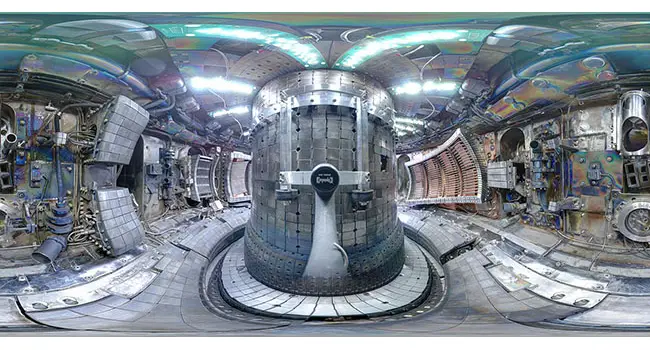
Fusion energy is a promising form of energy that has the potential to revolutionize the way we power our world. It is a form of nuclear energy that is created by merging atomic nuclei to form a heavier nucleus, releasing a tremendous amount of energy in the process. Unlike traditional forms of nuclear energy, fusion energy does not produce long-lived radioactive waste, making it a much cleaner and safer alternative.
The concept of fusion energy has been around for more than half a century, but it is only in recent years that we have made significant progress towards achieving practical fusion power. The key challenge in developing fusion energy is creating the conditions necessary for fusion to occur. In order for fusion to take place, the atomic nuclei must be heated to extremely high temperatures, on the order of tens of millions of degrees Celsius. At these temperatures, the atomic nuclei become ionized and form a plasma, which can be contained using magnetic fields.
There are several different approaches to achieving fusion power, but the most promising is magnetic confinement fusion. This involves using magnetic fields to confine a plasma of deuterium and tritium (isotopes of hydrogen) in a device called a tokamak. In the tokamak, the plasma is heated and compressed to the point where fusion reactions occur, releasing energy in the form of high-energy neutrons and charged particles. This energy can be harnessed to produce electricity through conventional means.
One of the biggest advantages of fusion energy is its potential for near-limitless energy generation. The fuel for fusion reactions is abundant and easily accessible, with enough deuterium in the Earth's oceans to power the world for millions of years. Additionally, fusion energy produces no greenhouse gas emissions or long-lived radioactive waste, making it a much cleaner and safer alternative to fossil fuels and traditional nuclear power.
Despite its many advantages, fusion energy is still in the early stages of development and faces several significant challenges. One of the biggest challenges is achieving the high temperatures and pressures required for fusion to occur. Another challenge is developing materials that can withstand the extreme conditions inside a fusion reactor, such as the intense heat and radiation.
Despite these challenges, there are many research programs around the world dedicated to developing fusion energy. The International Thermonuclear Experimental Reactor (ITER), currently under construction in France, is a collaboration between 35 countries and aims to demonstrate the feasibility of fusion power on a commercial scale. Other projects, such as the National Ignition Facility in the United States and the Wendelstein 7-X reactor in Germany, are also making significant progress towards practical fusion power.
Fusion energy is a promising form of energy that has the potential to revolutionize the way we power our world. With its near-limitless energy generation and lack of greenhouse gas emissions or long-lived radioactive waste, fusion energy offers a much cleaner and safer alternative to fossil fuels and traditional nuclear power. While there are still many challenges to overcome, ongoing research programs around the world are making significant progress towards achieving practical fusion power.
Interior of Alcator C-Mod by Bob Mumgaard (Own work) [CC BY-SA 3.0 (http://creativecommons.org/licenses/by-sa/3.0)], via Wikimedia Commons
Fusion Energy Articles and Web Sites
I search the internet daily for new articles from around the world that interest me or I think will interest you. My hope is that it saves you time or helps students with their assignments. Listed by most recent first, dating back to 2005.
-
Creating an island paradise in a fusion reactor from ScienceDaily
-
New Kind of Fusion Reactor Built at Government Lab from Gizmodo
-
Korean Fusion Reactor Sets New Record For Sustaining 100 Million Degree Plasma from ScienceAlert
-
UK fusion startup breaks pressure record using giant ‘gun’ machine from TNW
-
Scientists May Have Tamed Fusion’s #1 Nemesis from Popular Mechanics
-
Pursuing fusion power from Knowable Magazine
-
SLAC scientists explain: What is inertial fusion energy? from EurekAlert
-
Engineers use AI to wrangle fusion power for the grid from Princeton University
-
Momentary Fusion Breakthroughs Face Hard Reality from IEEE Spectrum
-
South Korea’s Artificial Sun Is Taking an Enormous Step Forward from Popular Mechanics
-
What a Fusion Energy Breakthrough Means for Green Power from CNET
-
Newly developed material gulps down hydrogen, spits it out, protects fusion reactor walls from UW–Madison
-
The world’s largest experimental tokamak nuclear fusion reactor is up and running from Popular Science
-
Companies say they're closing in on nuclear fusion as an energy source. Will it work? from NPR
-
Japan Debuts Six-Story Experimental Fusion Reactor from Gizmodo
-
Scientists Fire Up the World’s Largest Fusion Reactor for the First Time from Singularity Hub
-
Five New Fusion Prospects, Minus the Neutrons from IEEE Spectrum
-
Could artificial intelligence power the future of fusion? from University of Rochester
-
CSU to build one of the world’s most powerful lasers to study elusive nuclear fusion energy from The Colorado Sun
-
US scientists achieve net energy gain for second time in nuclear fusion reaction from The Guardian
-
Small fusion experiment hits temperatures hotter than the sun’s core from EurekAlert
-
Fusion and fission need each other from Nuclear Engineering International
-
Tokamak Energy unveils images of fusion power plant slated for 2030s from New Atlas
-
Type One Energy Raises $29M to Work on a Crazy Fusion Device from Universe Today
-
Scientists Claim a New Invention Could Make Nuclear Fusion a Practical Reality from Inverse
-
Watch Nuclear Fusion Reactor Form Plasma from Newsweek
-
Fusion power: Still a long way to go from Varsity
-
Inside the nuclear fusion breakthrough that could be a step to unlimited clean energy in the distant future from CBS News
-
Fusion vs Fission from Anthropocene
-
Helion Trenta: A Nuclear Fusion Reactor Unlike Anything You've Seen Before from Autoevolution
-
Nuclear fusion ‘holy grail’ is not the answer to our energy prayers from The Guardian
-
The future of clean energy? How nuclear fusion works from ABC News
-
What is nuclear fusion? The science - and a new milestone - explained from World Economic Forum
-
Breakthrough in nuclear fusion energy announced from BBC News
-
Why fusion ignition is being hailed as a major breakthrough in fusion – a nuclear physicist explains from The Conversation
-
Are Nanoparticles the Solution to Better Nuclear Fusion? from AZoNano
-
This New Magnet Breakthrough Could Unleash A New Generation Of Smaller, More Potent Fusion Reactors from Wonderful Engineering
-
What Is Nuclear Fusion? from World Atlas
-
Powerful new magnets bring fusion power a step closer from Freethink
-
Without Fuel, the Fusion Game Is Over from New Energy Times
-
Scientists are right to be excited about nuclear fusion from Varsity
-
How does nuclear fusion work? from BBC Science Focus
-
Fusion Is Now Oak Ridge National Laboratory video
-
What is Nuclear Fusion? from IAEA
-
A private company just made a huge breakthrough in nuclear fusion from Inverse
-
What is fusion energy? A Princeton physicist explains video
-
Understanding the promise and peril of fusion power: Chimera or climate panacea? from Yale Climate Connections
-
Insulation-free magnet makes space for sustained nuclear fusion reactions from New Atlas
-
The Guardian posted The power of stars to meet our energy needs? This is something to be excited about
-
Latest success from Google’s AI group: Controlling a fusion reactor from Ars Technica
-
Big Think posted Nuclear fusion explained
-
The Guardian posted Nuclear fusion heat record a ‘huge step’ in quest for new energy source
-
Helping to make nuclear fusion a reality from MIT News
-
PBS posted Burn, baby, burn: Nuclear scientists achieve major fusion feat
-
New Atlas posted Chinese tokamak keeps plasma 2.6 times as hot as the Sun for 17 minutes
-
Vox posted Fusion energy is a reason to be excited about the future
-
Fusion Breakthrough: At the Brink of Fusion Ignition at National Ignition Facility from SciTechDaily
-
BBC Focus posted Why the promise of nuclear fusion is no longer a pipe dream
-
How the Heart of ITER will Electrify Plasma ORNL video
-
Singularity Hub posted The Race for Fusion Power Heats Up as Multiple Projects Hit New Milestones
-
Twisty nuclear fusion reactor gets twice as hot as the sun from Freethink
-
Negative Triangularity – A Positive for Tokamak Fusion Power Reactors from SciTechDaily
-
Fusion energy nears reality thanks to an ultra-powerful magnet from Engadget
-
CNET posted Nuclear fusion test re-creates power of the sun in step toward energy revolution
-
Physics Today posted Lawrence Livermore claims a milestone in laser fusion
-
IEEE Spectrum posted Can AI Make a Better Fusion Reactor?
-
MIT News posted Manipulating magnets in the quest for fusion
-
TechCrunch posted The case for funding fusion
-
Fission vs. fusion: What's the difference? from Live Science
-
World Economic Forum posted This giant magnet could unlock zero-carbon electricity from nuclear fusion
-
MIT News posted Revisiting a quantum past for a fusion future
-
Flipboard posted Slow burn: The pursuit of Fusion Energy
-
New Nuclear Fusion Test Overcomes Exhaust Problem from Freethink
-
UK scientists take massive step towards clean fusion energy from Metro
-
This Fusion Fuel Experiment Will Bring Us One Step Closer to Ignition Seeker video
-
What is Fusion, and Why Is It So Difficult to Achieve? from International Atomic Energy Agency
-
Fusion power milestone: scientists contain world's coldest plasma briefly using magnets from First Post
-
Is the Dream of Cold Fusion Still a Possibility? from How Stuff Works
-
Engadget posted Fusion energy device sets a record by running for 20 seconds
-
A BBC News article titled UK fusion experiment used in hunt for clean energy about the Mast (Mega Amp Spherical Tokamak) Upgrade
-
Ars Technica article about SPARC, a smaller, more efficient tokamak that could follow in ITER’s fusion footsteps
-
Scientists propose a novel method for controlling fusion reactions - eurekalert.org
-
World’s largest nuclear fusion project begins assembly in France - theguardian.com
-
How to build a hydrogen-boron fusion reactor - asiatimes.com
-
Design of the W7-X fusion device enables it to overcome obstacles, scientists find - phys.org
-
Radical hydrogen-boron reactor leapfrogs current nuclear fusion tech - newatlas.com
-
Utilizing relativistic effects for laser fusion: A new approach for clean power - osaka-u.ac.jp
-
This Powder—Not Gas—Could Rescue Nuclear Fusion - popularmechanics.com
-
Fusion by strong lasers - eurekalert.org
-
5 Things to Consider About Fusion Reactors - electropages.com
-
Inside First Light Fusion's fight to solve clean energy and save the planet - inverse.com
-
World's biggest nuclear fusion project completes civil engineering work on Tokamak Building - archinect.com
-
This Frankenstein's Monster Is Going to Be a Nuclear Fusion Reactor - popularmechanics.com
-
Fusion's path to practicality - EurekAlert
-
Could a Jersey lab be the key to unlocking the sun’s energy on Earth? - Youtube
-
Researchers demonstrate new way to sustain high-performance fusion plasmas - Princeton University
-
Machine set to see if lithium can help bring fusion to Earth - Phys.org
-
Physicists spot the signatures of nuclear fusion in a table-top device - Physics World
-
Ready, set, go: Scientists evaluate novel technique for firing up fusion-reaction fuel - Science Daily
-
Physicists flip the D in tokamak, get unexpectedly good result - Ars Technica
-
Speeding the development of fusion power to create unlimited energy on Earth - EurekAlert
-
Scientists create new method of fusion energy - Tech Explorist
-
Chinese Fusion Experiment Reaches 100 Million Degrees - Universe Today
-
Superconductor breakthrough promises faster path to fusion - The Institution of Engineering and Technology
-
Novel design could help shed excess heat in next-generation fusion power plants - Phys.org
-
What is fusion, and why is it so difficult to create? - University of Rochester
-
UTokyo researchers generate the strongest-ever controllable magnetic field - University of Tokyo
-
A third dimension helps Tokamak fusion reactor avoid wall-destroying instability - Ars Technica
-
How Close Are We to Fusion Energy? - Seeker
-
German Nuclear Fusion Experiment Sets Records - Popular Mechanics
-
The Twinkle in Mother Earth’s Eye: Laser Blasts Produce Promising Fusion Advances - Physics Central
-
Why nuclear fusion is gaining steam – again - The Conversation
-
New MIT Startup Targets Working Fusion Reactor in 15 Years. Can It Be Done? - Singularity Hub
-
TAE Technologies Gen 5 reactor targets tripling confinement with 10 times the power by 2020 - Next Big Future - 02/18
-
Powering up nuclear fusion at Tokamak Energy - Institution of Mechanical Engineers
-
Nuclear fusion company says it will make carbon-free energy a reality - Mashable - 12/17
-
Scientists make progress in quest for fusion energy - UPI - 11/17
-
Brillouin Energy – Is Cold Fusion or LENR Possible? - Nanalyze - 07/17
-
China Breakthroughs: Warming up to Artificial Sun research - China Central Television - 07/17
-
Wibbly-wobbly magnetic fusion stuff: The return of the stellarator - Ars Technica - 06/17
-
Fusion food for thought - EngineerLive - 05/17
-
How Far Away is Fusion? Unlocking the Power of the Sun - Youtube (9:00) - 05/17
-
Editorial Article: Nuclear Fusion: The Pursuit of Limitless Energy Inspired by the Sun - SelectScience - 05/17
-
Tokamak Energy turns on ST40 fusion reactor - World Nuclear News - 05/17
-
Fusion efficiency boosted by exploding a tiny gold shell from the inside - Ars Technica - 04/17
-
Fusion reactors: Not what they’re cracked up to be - Bulletin of the Atomic Scientists - 04/17
-
Can 'Apollo Fusion' Bring Us Clean Nuclear Energy? - Popular Mechanics - 04/17
-
Scientists further understanding of a process that causes heat loss in fusion devices - Phys.org - 04/17
-
Julien Barber: Protecting magnets and the environment - MIT News - 03/17
-
Why is no one Talking About LENR Cold Fusion? - Edgy labs - 03/17
-
How Fusion Reactors Control Plasma - Youtube (3:03) - 03/17
-
A group of scientists thinks they can replace fossil fuels with nuclear fusion by 2030 - Business Insider - 02/17
-
Fusion energy: a time of transition and potential - Cosmos - 01/17
-
First plasma for WEST fusion reactor - World Nuclear News - 12/16
-
South Korean fusion reactor endurance record hints at our energy future - Engadget - 12/16
-
German fusion machine working as intended - ZME Science - 12/16
-
Engineering Fusion Energy By 2025 - Huffington Post - 11/16
-
How does Fusion Energy work and is it a good idea? - Youtube - 11/16
-
Scientists just broke a fusion world record - and it lifts the bar for clean energy potential - Science Alert - 10/16
-
This 'Star in a Jar’ Could Produce a Nearly Unlimited Supply of Energy - Motherboard - 08/16
-
Fusion-powered cars soon? Princeton U. accelerates its new energy research - NJ.com - 06/16
-
Elements: Hydrogen - Fusion - BBC video - 05/16
-
Congress Is Suddenly Interested in Cold Fusion - Popular Mechanics - 05/16
-
These Remote Robot Arms Are How Humans Get Work Done Inside a Fusion Reactor - Popular Mechanics - 05/16
-
Wendelstein 7-X fusion device produces its first hydrogen plasma - IPP - 02/16
-
First plasma from Wendelstein 7-X fusion reactor - New Atlas - 12/15
-
Wendelstein 7-x stellarator puts new twist on nuclear fusion power - New Atlas - 10/15
-
ARC reactor design uses superconducting magnets to draw fusion power closer - New Atlas - 08/15
-
Lockheed figures out fusion (maybe) - CNET - 10/14
-
Can crowdfunding give us safe fusion power by 2020? - New Atlas - 05/14
-
Scientists announce breakthrough in quest for fusion power - New Atlas - 04/14
-
Burning Plasma: The Future of Fusion Energy - FermiLab - 05/03
-
Fusion Energy Web Sites
-
Fusion Power - Wikipedia
-
ITER - In France, 35 nations are collaborating to build the world's largest tokamak, a magnetic fusion device