Agricultural Biotechnology
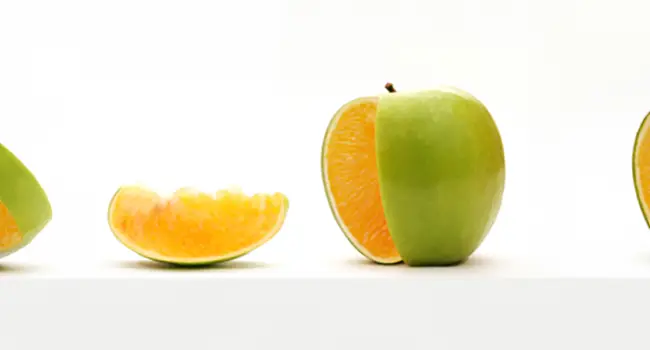
Agrobiotechnology
Agrobiotechnology utilizes various techniques to enhance agricultural practices and crop yields. Genetic engineering, for instance, allows scientists to introduce desirable traits into crops, making them resistant to pests and diseases, tolerant to harsh environments, or even fortified with essential nutrients. Bt cotton, a pest-resistant variety, stands as a testament to this, reducing insecticide use and boosting farmer incomes. Similarly, drought-resistant rice varieties developed through gene editing offer hope for food security in water-scarce regions.
Agrobiotechnology Terms
Here are some of the terms that I discovered during my introduction to agricultural biotechnology.
Agricultural biotechnology is also known as agribiotechnology, agro-biotechnology agribiotech, agbiotech.
Agrobiotechnology is an umbrella term to describe different processes for duplicating biological material.
Agricultural biotechnology is also known as agribiotechnology, agro-biotechnology agribiotech, agbiotech.
GM - Genetically Modified
GMO - Genetically Modified Organism
GE - Genetically Engineered
LMO - Living Modified Organism
Transgenic - Containing genes from another species
Bt Crops - transgenic crops producing Bacillus thuringiensis (Bt) toxins that kill pests.
Bt - Bacillus thuringiensis (Bt) is a natural soil bacterium that produces crystals containing proteins that are toxic to certain insects.
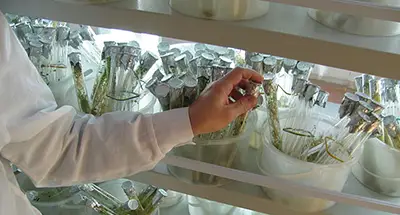
Pros and Cons of Agricultural Biotechnology
Advances in agricultural biotechnology may provide farmers and consumers with:
Reduced use of pesticides
Crops resistant to disease
Crops resistant to pests
Increased yields
Reduced production costs
Foods that are nutritionally-enriched
Foods that last longer
Reduced fats
Reduced allergens/food-borne illnesses
New medicines
Reduced use of uncultivated land
Erosion, soil management
Renewable sources of energy
Biodegradable manufacturing materials
Risks of Agricultural Biotechnology
Gene Transfer
Unintended effects on humans and other organisms
Pests and weeds naturally developing resistance
Agrobiotechnology and Consumer Foods
The term biotech foods can refer to Genetically Modified Organisms (GM or GMO) foods, or to foods produced using other biotechnology techniques such as: cultured meat (meat that is grown from animal cells in a lab). GMOs are foods that have had their genetic makeup altered in a way that doesn't occur naturally. There are many types of food available to consumers that have been genetically modified, the most common being soy and corn.
Consumers and the Future of Biotech Foods
Agricultural Biotechnology Resources
I search the internet daily for new articles from around the world that interest me or I think will interest you. My hope is that it saves you time or helps students with their assignments. Listed by most recent first, dating back to 2005.
-
Three Radically Different Examples of How CRISPR Will Transform Agriculture from Seed World
-
Beef rice: a new hybrid food for a more sustainable future? from Anthrocopene Magazine
-
First cow to produce human insulin in its milk created in Brazil from Cosmos Magazine
-
Engineering plants with deeper roots could be a huge climate boon. Scientists just made a big find. from Anthrocopene Magazine
-
Genetically modified banana resistant to Panama disease given approval for Australian consumption from ABC Australia
-
CRISPR breakthrough: first-ever regeneration of strawberries from gene-edited single cells from HRB
-
Gardeners can now grow a genetically modified purple tomato made with snapdragon DNA from NPR
-
New CRISPR tomatoes need less watering from Freethink
-
Here’s how we can genetically modify soil microbiomes to reduce use of synthetic fertilizers and improve yields from Genetic Literacy Project
-
An ingenious ultrathin film keeps crops warm at night and slashes food waste. No energy required. from Anthrocopene Magazine
-
The CRISPR/Cas genome editing system and its application in potatoes from Potato News Today
-
The Future is CRISPR from Modern Farmer
-
You’ll Soon Be Able to Buy Genetically Engineered Glow-in-the-Dark Petunias from Singularity Hub
-
Genetically engineered pink pineapples are flying off shelves: What gives them their distinctive color? from Live Science
-
CRISPR enables plant biologists to engage grand challenges from University of Georgia
-
Scientists bioengineer plants to have an animal-like immune system from Big Think
-
FIND-IT: A Non-GMO Crop Technology for Sustainable Agriculture from Intelligent Living
-
CRISPR Crops Are Here from proto.life
-
Modifying shelf-life of melons via gene editing from EurekAlert
-
Potentially Unlimited Supply – Scientists Grow Meat From Immortal Stem Cells from SciTechDaily
-
CRISPR’d plant is resistant to the cancer of rice from Freethink
-
CRISPR/Cas9-based gene drive could suppress agricultural pests from Phys.org
-
Plant science's biggest problems from Axios
-
Allergic to Eggs? Not These Eggs from Gizmodo
-
A Startup Is Gene-Editing Veggies To Make Them Taste Better from Mashed
-
This CRISPR’d (and non-GMO) banana is now officially approved from Freethink
-
Gene editing technology used to produce disease-resistant calf from Earth.com
-
The Future of Farming on Mars – Gene-Edited Rice from SciTechDaily
-
Could Gene-Edited Hens Stop the Great Chicken Massacre? from proto.life
-
Gene editing technique highlighted as possible ‘savior’ for climate change threatened rice crops from EurekAlert
-
Startup plants first GMO trees designed for carbon removal from Freethink
-
Breakthrough in plant breeding: Grafting and mobile CRISPR for genome editing in plants from Phys.org
-
Can we hack DNA to grow more food for a hotter, hungry planet? from Phys.org
-
Scientists develop a method to allow trees to flower in mere months from Phys.org
-
Busting the Myths on New GMOs from Slow Food
-
Scientists are turning to DNA from crops to keep food on the table from KCCI
-
Gene editing can help create resilient crops from Alliance for Science
-
7 ways CRISPR is shaping the future of food from Freethink
-
Neoplants bioengineers houseplants to use them as air purifiers from Tech Crunch
-
Agricultural Biotechnology from FDA
-
From Pitless Cherries to Softer Kale, This Startup Is Using CRISPR to Make Better Produce from Singularity Hub
-
The Good and the Bad The Pros and Cons of GMOs from Green Matters
-
Making a pink plant glow bright green with genetic modification from Cosmos
-
Overcoming a Major Technical Hurdle for Gene Editing in Growing Produce from Growing Produce
-
No Pigs Were Harmed for These Pork Sausages, But They’re Real (Cultured) Meat from Singularity hub
-
Lab Grown Fishsticks Are One Step Closer to Your Dinner Plate from Gizmodo
-
CRISPR-based Technology Targets Global Crop Pest from UC San Diego
-
Supercharged biotech GM rice yields 40% more grain from AAAS
-
These Chicken Nuggets Are Anything But Boneless from Modern Farmer
-
New Artificial Photosynthesis Method Grows Food With No Sunshine from Singularity Hub
-
Tiger steaks and lion burgers: Lab-grown exotic animal meat is on the way from Digital Trends