Hydrogen Energy
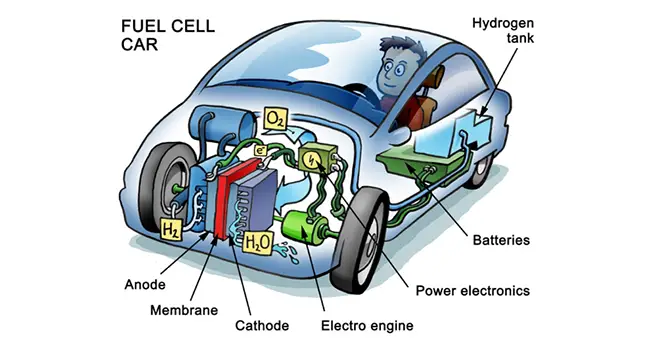
Hydrogen fuel is a promising alternative to fossil fuels for powering cars, trucks, and other vehicles. Unlike fossil fuels, which emit harmful pollutants when burned, hydrogen fuel produces only water vapor and heat. This makes it a cleaner and more sustainable option for transportation, as well as other energy-intensive industries.
Hydrogen is the most abundant element in the universe, but it is rarely found in its pure form on Earth. Instead, it is typically bound to other elements, such as oxygen in water or carbon in fossil fuels. To use hydrogen as a fuel, it must first be extracted from these sources and then converted into a usable form.
One way to produce hydrogen is through a process called electrolysis. This involves using electricity to split water molecules into hydrogen and oxygen. The resulting hydrogen can then be stored and transported as a gas or liquid. Another method for producing hydrogen is through the use of renewable energy sources, such as solar or wind power. These sources can power the electrolysis process and produce hydrogen without generating any greenhouse gas emissions.
Once hydrogen has been produced, it can be used in fuel cells to generate electricity. Fuel cells work by combining hydrogen and oxygen to produce electricity, water vapor, and heat. This electricity can then be used to power an electric motor, which can drive a vehicle. Fuel cells have several advantages over traditional internal combustion engines, including higher efficiency, lower emissions, and quieter operation.
Hydrogen fuel cells have already been used in a variety of applications, including buses, trains, and forklifts. However, widespread adoption of hydrogen fuel for transportation has been hindered by several factors, including the high cost of producing hydrogen, the lack of infrastructure for distributing and storing hydrogen, and the relatively low energy density of hydrogen compared to gasoline.
Despite these challenges, there is growing interest in hydrogen fuel as a potential solution to the climate crisis. Governments and companies around the world are investing in research and development of hydrogen fuel technology, as well as building infrastructure to support its use. In addition to transportation, hydrogen fuel can also be used to power homes and businesses, and as a feedstock for industrial processes.
Hydrogen fuel has the potential to be a clean and sustainable alternative to fossil fuels for transportation and other energy-intensive industries. While there are still challenges to overcome, continued investment in hydrogen fuel technology and infrastructure could help to accelerate its adoption and reduce greenhouse gas emissions.
Hydrogen fuel cell car diagram - Wikimedia (Public domain)
Hydrogen Fuel Energy Articles and Web Sites
I search the internet daily for new articles from around the world that interest me or I think will interest you. My hope is that it saves you time or helps students with their assignments. Listed by most recent first, dating back to 2005.
-
What a ‘real world’ hydrogen pickup looks like and why it should end the conversation from Electrek
-
Breakthrough research enables high-density hydrogen storage for future energy systems from EurekAlert
-
Turning Sunlight into Fuel with a Breakthrough in Solar Hydrogen Production from NANO Magazine
-
Trillions of tons of buried hydrogen: Clean energy gold rush begins from New Atlas
-
H2-powered cargo barge could be a breath of fresh air to Rhine shipping from New Atlas
-
Hydrogen-powered drones could fly longer, farther from Axios
-
A green hydrogen innovation for clean energy from MIT News
-
The Road To Fuel Cell Trucks Leads Through Forklifts from CleanTechnica
-
Why The Rise Of Hydrogen Vehicles Is Inevitable from Top Speed
-
Sun-run device turns dirty water into hydrogen fuel and drinking water from New Atlas
-
Paving the Way for Green Hydrogen’s Place in the Energy Transition from EuroScience
-
New catalyst could provide liquid hydrogen fuel of the future from EurekAlert
-
World’s First Crewed Flight Powered By Liquid Hydrogen Takes Off from Ubergizmo
-
Wind-to-Hydrogen Tech Goes to Sea from IEEE Spectrum
-
How to Explain Hydrogen Fuel Cells to Consumers from EuroScience
-
Hydrogen – the hype and the hope from Cosmos Magazine
-
A Big Step Forward: New Breakthrough Could Lead to Cleaner Hydrogen Energy from SciTechDaily
-
Student team sets distance record with hydrogen city car concept from New Atlas
-
What Is a Fuel Cell? from Bob Vila
-
What is hydrogen, and can it really become a climate solution? from The Conversation
-
Carbon Storage and Hydrogen: Match Made in Heaven? from IEEE Spectrum
-
Is hydrogen really a clean enough fuel to tackle the climate crisis? from The Guardian
-
Skies Begin to Clear for Hydrogen-Powered Flight from IEEE Spectrum
-
Game-changing findings for sustainable hydrogen production from EurekAlert
-
Green Hydrogen Explained: How It Can Help Reduce Emissions from Now
-
New experiment produces hydrogen with LEDs from Freethink
-
What Are The Major Challenges Of Hydrogen-Powered Aircraft? from Simple Flying
-
5 questions answered about ‘clean’ hydrogen from E&E News
-
Clever device efficiently splits hydrogen and lithium out of seawater from New Atlas
-
High-frequency sound waves make electrolyzers produce 14x more hydrogen from New Atlas
-
What is green hydrogen, and how green is it, anyway? from CBC
-
Fueling your curiosity: Argonne answers top questions on hydrogen fuel from EurekAlert
-
Dispelling the myths about hydrogen and heating from The Guardian
-
The World’s First Hydrogen Trains Started Passenger Service in Germany from Singularity Hub
-
Generating hydrogen fuel from the very air we breathe from Cosmos
-
The world's first hydrogen-powered passenger trains are here from CNN
-
Breakthrough as flying yacht produces green hydrogen in world-first from H2 View
-
Essex firm's hydrogen lorry on show in Stoneleigh from BBC News
-
A groundbreaking solution could unleash our hydrogen future from Freethink
-
Miracle fuel hydrogen can actually make climate change worse from Mint Lounge
-
For hydrogen power to be a climate solution, leaks must be curbed from The Guardian
-
The big hydrogen debate: super fuel or decoy solution? from Sifted
-
Can Hydrogen Take Over the Automotive Industry? from Renewable Energy Magazine
-
World's largest green H2 hub, Hydrogen City from New Atlas
-
One step closer to hydrogen-fuelled planes from Cosmos
-
New research could be the first step to hydrogen power, day and night from Ars Technica
-
UNSW Sydney Newsroom posted Five things you need to know about Green Hydrogen
-
Yale Climate Connections posted The difference between gray, blue, and green hydrogen
-
Singularity Hub posted H2 Clipper Will Resurrect Hydrogen Airships to Haul Green Fuel Across the Planet
-
GM announces plans to make mobile power generators using hydrogen fuel cells from The Verge
-
Living With A Toyota Mirai Didn’t Go As Expected…Here’s What Happened from TFLcar.com
-
The Lavo Bike hydrogen transport concept
-
BBC Focus posted Dangerous and dirty: 7 myths about hydrogen power debunked
-
Hydrogen: fuel of the future? The Economist video
-
Engineering and Technology posted Hydrogen’s energy promise
-
Hydrogen fuel potential may skyrocket with 12 new high-speed alloys from Hydrogen Fuel News
-
Finding The Chemical Carrier Option For Hydrogen Storage from Eurasia Review
-
First hydrogen fuel cell ferry in U.S. from WorkBoat
-
Hydrogen vs. Battery Electric Cars Physics Girl video
-
Autoevolution posted Migma Concept Shows the Beautiful, Hydrogen-Powered Catamaran of the Future
-
I drove a hydrogen fuel cell electric car. EVs make more sense. from Mashable
-
ZME Science posted Blue hydrogen is worse for climate than fossil fuels, study finds
-
Georgia Straight posted David Suzuki: Hydrogen hype—climate solution or dead-end highway?
-
The Truth about Driving a Hydrogen Car - Hydrogen Fuel Cells Physics Girl video
-
The hydrogen economy is about to get weird from Ars Technica
-
Why the future of transportation is hydrogen from H2 View
-
IEEE Spectrum posted Solar-to-Hydrogen Water Splitter Outlasts Next Best Tech By 14x
-
Here's Everything We Know About The BMW i Hydrogen NEXT from HotCars.com
-
CarBuzz posted Hyundai's Hydrogen Truck Is Coming To America
-
How Artificial Plants Are a Sunlight-Powered Hydrogen Fuel Cell Game Changer from Design News
-
Renew Economy posted Time to stop flirting with ‘blue’ hydrogen and go green, experts say
-
Energy Observer: On board the world's first hydrogen-powered boat from CNET
-
Storage will be vital for hydrogen to help solve renewable energy’s big challenges from Energy Storage news
-
Novel Hydrogen Fuel Purification Membrane Paves the Way for Greener Future from Nagoya Institute of Technology
-
H2 View posted Insitu introduces game-changing hydrogen fuel cell to power UAVs
-
Hydrogen Fuel news posted The hydrogen powered Tokyo Olympic torch is off on its low-carbon relay
-
Hydrogen Fuel-Cell Concept Car on Exotic Car list
-
OceanH2, the first floating green hydrogen power plant from wind and solar from Futuroprossimo
-
Clean Technica posts Is Hydrogen The Best Option To Replace Natural Gas In The Home? Looking At The Numbers
-
Are hydrogen fuel cell vehicles the future of autos? from ABC News
-
Scottish homes to be first in world to use 100% green hydrogen from The Guardian
-
Nikola says electric-hydrogen truck never ran, as company publishes counterpoints - cnet.com
-
Hydrogen leading the way in new global zero emission study - splash247.com
-
H2 Go! The hydrogen revolution - eurekamagazine.co.uk
-
Energy from waste plastics: The world’s first hydrogen hotel - h2-view.com
-
This boat makes its own hydrogen fuel from seawater - cnet.com
-
Scientists solve a durability issue in fuel cells for hydrogen cars - phys.org
-
Hydrogen cars won’t overtake electric vehicles because they’re hampered by the laws of science - theconversation.com
-
Hydrogen key to net-zero, but not a silver bullet - energyvoice.com
-
Hydrogen/Fuel Cell Codes and Standards - fuelcellstandards.com
-
Hydrogen: why do we need it? - h2-view.com
-
DHL: 5 reasons why hydrogen is the fuel of the future - h2-view.com
-
Scientists Find a Way to Make Hydrogen Fuel Production 25x More Efficient - sciencealert.com
-
Hydrogen can power virtually all container ships crossing the Pacific - rechargenews.com
-
What are the three colors of hydrogen - Youtube
-
How Hydrogen Fuel Cells are Transforming Industry - automation.com
-
Next stop, hydrogen-powered trains - bbc.com
-
Hero ION Hydrogen Fuel Cell Concept Bike - autofreak.com
-
Scientists find cheaper way to make hydrogen energy out of water - phys.org
-
Full of gas: 6 weeks with a hydrogen-powered car - autocar.co.uk
-
Hydrogen safety: busting the myth that hydrogen is more dangerous than gas - hydrogenfuelnews.com
-
The potential for hydrogen-powered cars - bbc.co.uk
-
The Unbearable Lightness of Hydrogen - thechemicalengineer.com
-
Hydrogen Fuel Cell Vehicles Are Safer Than You Think - carbuzz.com
-
Why Zero-Emission Hydrogen Is the Best Way to Power the Cars of Future - robbreport.com
-
IET warns of ‘uncertainties’ over re-purposing UK gas network for hydrogen use - The Institution of Engineering and Technology
-
Hydrogen station explodes, Toyota halts sales of fuel cell cars, is this the end? - Electrek
-
Major step forward in the production of ‘green’ Hydrogen - Newcastle University
-
New device excels at making hydrogen using concentrated sunlight - PhysicsWorld
-
Making Fuel from Water - The Chemical Engineer
-
Stanford researchers create hydrogen fuel from seawater - Stanford University
-
Record-breaking device uses sunlight to produce hydrogen at 15% efficiency - New Atlas
-
Developing more flexible nanomaterials can make fuel cell cars cheaper - Johns Hopkins University
-
Why Don't We Just Run Internal Combustion Engines on Hydrogen? - Road and Track
-
The Difference Between Gasoline And Hydrogen Engines - Youtube (14:19)
-
Researchers Master Use of Solar Power to Produce Hydrogen - Ben-Gurion University of the Negev
-
The Toyota Tundra PIE Pro Is a Hydrogen-Powered Mobile Pizza Factory - The Drive
-
A Solar Cell That Does Double Duty for Renewable Energy - LBL
-
Are hydrogen-powered cars the future? Academics and advocates say yes - NJTV News
-
What is a fuel cell? - Piston Heads
-
Why Battery Electric Vehicles Have Overtaken Hydrogen Fuel Cells - The Quint
-
Here’s what it’s like to drive a hydrogen-powered car - Yahoo Sports
-
Stable and scalable photo-electrode strongest candidate yet for renewable hydrogen generation - New Atlas
-
Who needs a battery? Pricey Alpha is first ebike powered by a hydrogen fuel cell - Digital Trends
-
Researcher’s Nanomaterial Can Extract Hydrogen Fuel from Seawater - University of Central Florida - 12/17
-
Hydrogen cars for the masses one step closer to reality, thanks to UCLA invention - UCLA - 11/17
-
This electric car never needs a pit stop thanks to hydrogen fuel - Red Bull - 11/17
-
Rare metals could make hydrogen-powered cars more efficient - Engadget - 11/17
-
Hydrogen fuel from water using less energetic near-infrared light - Asian Scientist Magazine - 11/17
-
Hydrogen society could be one step closer after storage tech breakthrough - IMechE - 11/17
-
The Future of Underwater Craft May Be hydrogen - Mercator Media - 11/17
-
Tomorrow's Hydrogen Car - Euro News - 10/17
-
Hydrogen Isn’t For Cars But Still Might Have A Transportation Role - Clean Technica - 10/17
-
New nanomaterial can extract hydrogen fuel from seawater - Phys.org - 10/17
-
Transparent, Flexible Hydrogen Sensors using Palladium Nanowires - AZoNetwork - 10/17
-
Don’t believe the hype: Hydrogen fuel cell vehicles have flopped with drivers - Think Progress - 09/17
-
Hydrogen cars: what are they and when will we drive them? - ABC Australia - 09/17
-
Producing Hydrogen from Water Through Solar Water Splitting - AZoCleantech - 08/17
-
Hydrogen fuel cell cars: How do they work? - Alphr - 08/17
-
How protons move through a fuel cell - Phys.org - 06/17
-
Fuel of the future - Phys.org - 06/17
-
Researchers Claim to Have Found a Cheaper Way to Make Hydrogen - The Drive - 05/17
-
Thin membrane plugs big hole in the hydrogen economy - New Atlas - 05/17
-
Making way for hydrogen-run vehicles - Live Mint - 04/17
-
How to fuel up a hydrogen car - Youtube (4:50) - 03/17
-
Tiny engine turns natural gas into hydrogen - Engadget - 02/17
-
Are hydrogen cars doomed to be the Betamax of this generation? - Car Keys - 02/17
-
Hydrogen Fuel Cell Vehicles Still Have Miles to Go - Nanalyze - 12/16
-
Thought of the Day: Hydrogen Fuel Cell Uses - Youtube (3:36) - 11/16
-
Hydrogen fuel cells a 'complete nonsense' says JLR's technical design chief - Autocar - 11/16
-
The Toyota Mirai proves hydrogen power has a future - Autocar - 11/16
-
Who killed the hydrogen car? Nothing except time, overhyped expectations and the viability of electric vehicles - Salon - 11/16
-
Toyota to sell fuel cell buses in Japan from early 2017 - The Japan Times - 10/16
-
Six things you might not know about hydrogen - Newswire - 10/16
-
How It Works: Hydrogen fuel cells - Driving - 10/16
-
Fuel cells set to power up the drone industry - CBC - 09/16
-
Hydrogen: Fuel Of The Future? - ZigWheels.com - 08/16
-
Tesla co-founder says hydrogen fuel cells are a scam - Electrek - 05/16
-
Electric vs Hydrogen – The battle to fuel the future of cars [Infographic] - KnowTechie - 04/16
-
Sites of four Northeast hydrogen fueling stations announced by Air Liquide - Green Car Reports - 04/16
-
Toyota completes 100,000-km road test of its hydrogen-powered Mirai - New Atlas - 03/16
-
Pininfarina showcases silky-smooth, hydrogen-powered H2 Speed concept - New Atlas - 03/16
-
Riversimple launches Rasa, a hydrogen-powered city car for the masses - New Atlas - 02/16
-
TOYOTA Fuel cell - How does it work? - Youtube - 01/16
-
Scientists create nano-reactor for the production of hydrogen biofuel - Phys.Org - 01/16
-
Water good idea: Solar-powered home stores energy as hydrogen - New Atlas - 12/15
-
Toyota launches hydrogen-fueled sedan - Phys.Org - 09/15
-
Team demonstrates solar water-splitting technology - Phys.Org - 09/15
-
New hydrogen fuel stations open in Japan - Hydrogen Fuel News - 01/15
-
Stanford scientists develop low-cost water splitter - Youtube - 09/14
-
Chemists develop technology to produce clean-burning hydrogen fuel - Phys.Org - 06/14
-
Just Add Water: How Scientists Are Using Silicon to Produce Hydrogen on Demand - University at Buffalo - 01/13
-
Scientists produce H2 for fuel cells using an inexpensive catalyst under real-world conditions - University of Cambridge - 01/13
-
Researchers produce hydrogen from sunlight, water and rust - New Atlas - 11/12