Future of Earth
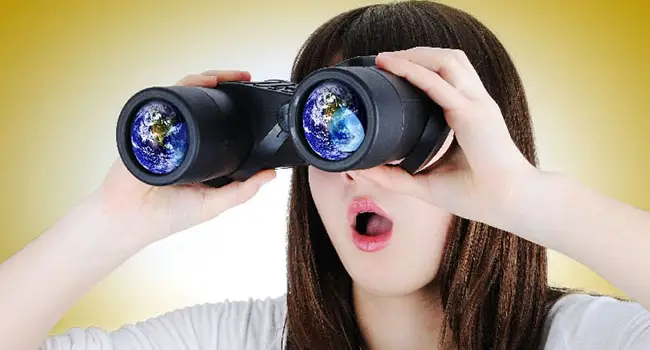
What is the future of Earth? What will the Earth look like in 2050? Will there be abundance or shortages of Earth's natural resources? What role will technology play in Earth's future? How will the choices we make today affect the future of Earth?
Even if we collectively take strong action to reduce greenhouse gas emissions, some degree of climate change is likely. This could lead to rising sea levels, extreme weather events, and resource scarcity, disproportionately affecting vulnerable populations. This is arguably the most crucial factor. Taking decisive action now will significantly reduce the severity of climate impacts in the future.
Technological advancements could help bring in an era of cleaner energy sources, widespread automation, personalized medicine, and even space exploration breakthroughs. These advancements could improve living standards and solve global challenges like poverty and hunger. However, rapid technological advancements could also raise ethical concerns about privacy, artificial intelligence, and the potential misuse of technology.
Addressing global challenges effectively requires international collaboration and solidarity. Without it, we risk a more divided and unstable world. Imagine a world where countries collaborate effectively on issues like climate change, pandemics, and resource management. This could lead to a more peaceful and prosperous future for all.
Our Future Water Supply
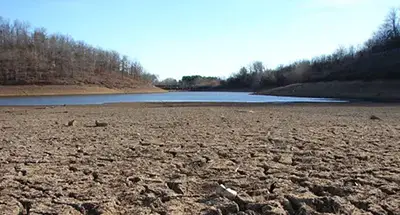
In the future, global warming and increased population could cause water shortages. Even today, there are millions of people that do not have access to clean water. Can technology help provide the world with fresh, abundant water?
Global Warming
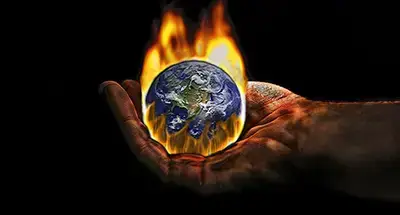
Scientists all over the world agree that humans are the cause of global warming and that it could have catastrophic effects. It is important for all countries to reduce emissions of carbon dioxide and other greenhouse gases to limit the future effects of global warming.
As a society, we must break our dependency on fuels that cause pollution by supporting clean, renewable energy sources. Each of us can slow global warming by reducing our carbon footprint and the pollution we produce as individuals every day.
Global Warming Image from Roberto Rizzato on Flickr
The Future of Food
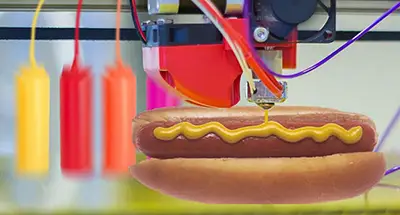
The future of food is 3D printed and vertically grown. Biotechnology will play an increasing role in how our food is produced and what it is made of. How can technology help feed an estimated population of 9 billion in 2050? How will food be different in the future?
Vertical Farming
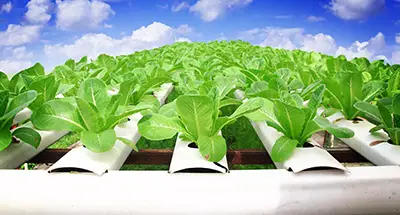
A vertical farm, 20 stories high and the size of a city block, would have the capacity to grow enough organic vegetables to supply a whole town. There are plenty of positives. 24/7 crop production, no crop failures from droughts, floods or pests.
The Doomsday Vault
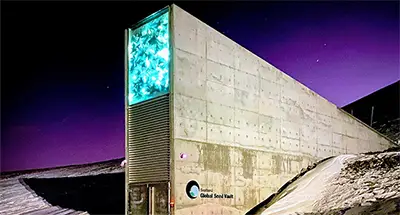
The Svalbard Global Seed Vault, or the Doomsday Vault as the media have dubbed it, is a shining example of people looking towards the future, considering what could happen, then preparing for the worst case scenario.
Controlling the Weather
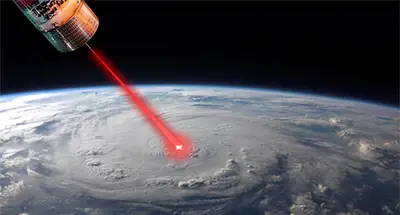
New satellites, computers and high tech measuring equipment are helping scientists and researchers learn more about the weather patterns of the earth. By mid century you can expect more accurate weather predictions and eventually, controlling the weather itself.
Weather Prediction and Control
Future of Earth Articles and Web Sites
I search the internet daily for new articles from around the world that interest me or I think will interest you. My hope is that it saves you time or helps students with their assignments. Listed by most recent first, dating back to 2005.
Future of Earth and Earth Science Web Sites
-
Earth’s invisible shield can help reveal our past and our future from Pursuit by The University of Melbourne
-
Earth’s magnetic field protects life on Earth from radiation, but it can move, and the magnetic poles can even flip from The Conversation
-
The ozone layer is on the right path to recovery: Here's how the world made it happen from World Economic Forum
-
Here’s why you won’t starve from overpopulation from Freethink
-
Earth Could Feasibly Descend Into Chaos, Physicists Warn from ScienceAlert
-
Space junk is causing clutter around the Earth, but a small cube could help cut back on trash from ABC Australia
-
Earth is ‘really quite sick now’ and in danger zone in nearly all ecological ways, study says from AP News
-
It’s not just climate – we’ve already breached most of the Earth’s limits. A safer, fairer future means treading lightly from The Conversation
-
Cloud seeding can increase rain and snow, and new techniques may make it a lot more effective – podcast from The Conversation
-
Is There a Best Way to Think About the Future of Earth? from Inverse
-
4 ways to ensure the future of aquaculture is sustainable from World Economic Forum
-
The doomers are wrong about humanity’s future — and its past from Vox
-
There’s no planet B from Aeon
-
Earthquake alerts: a convolutional neural network is monitoring the Earth’s gravity field from Hello Future
-
Ending Amazon deforestation: 4 essential reads about the future of the world’s largest rainforest from The Conversation
-
Animation: Global life expectancy (1950-2021) from World Economic Forum
-
The future of life on earth from ABC (Australia)
-
How we became more than 7 billion – humanity’s population explosion, visualised from Aeon
-
What is World Environment Day? from World Economic Forum
-
When Earth’s magnetic poles flip it could be chaos for future humans from Inverse
-
Can humanity leave nature behind? from BBC Future
-
Can farms produce to the max and still reduce greenhouse gas emissions? from Argonne National Laboratory
-
Extinction: Why scientists are freezing threatened species in biobanks from BBC News
-
Is it possible to heal the damage we have already done to the Earth? from The Conversation
-
Video: Mark Lynas: Don't Look Up: Is Climate Change an Extinction-Level Event? from The Centre for the Study of Existential Risk
-
LiveKindly posted Seaweed—Yes, Seaweed—Is the Key to a Sustainable Future
-
Big Think posted How to protect Earth from incoming asteroids, according to experts
-
EurekAlert posted Predicting the future of the Earth with artificial intelligence
-
What Will Our World Look Like in 2050? from University of Southern California
-
Vox posted What will future animals look like?