Biofuel
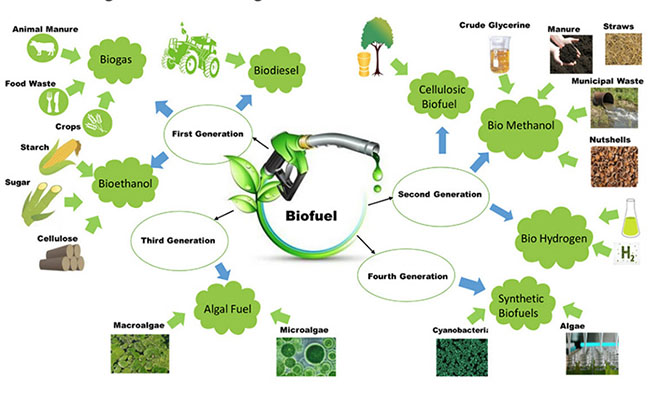
Biomass energy is a form of renewable energy that utilizes organic materials derived from plants, animals, and organic waste to generate power. This energy source has become increasingly popular in recent years due to its numerous environmental and economic benefits.
What is Biomass Energy?
Biomass energy is derived from organic materials such as wood, crops, and agricultural waste. This energy source can be converted into various forms of energy, such as heat, electricity, and biofuels. Biomass energy is classified as a renewable energy source since plants and other organic materials can be grown and harvested again and again, providing a continuous supply of fuel.
The process of generating biomass energy begins by collecting biomass materials and processing them through various methods, such as combustion, gasification, and anaerobic digestion. The resulting energy can then be used to power homes, businesses, and industries.
Types of Biomass Energy
There are several types of biomass energy that can be generated from different organic materials. The most common forms of biomass energy include:
-
Wood Biomass: This type of biomass energy is generated from wood chips, sawdust, and other wood products. It is commonly used in residential and commercial heating applications.
-
Agricultural Biomass: Agricultural biomass includes crop residues, animal waste, and other organic materials produced in agricultural operations. This type of biomass energy is often used to produce biogas, a type of biofuel.
-
Municipal Solid Waste: Municipal solid waste (MSW) is a form of biomass energy generated from municipal waste, such as food waste, paper, and other organic materials. MSW can be processed through combustion or gasification to generate energy.
Pros and Cons of Biomass Energy
Pros of Biomass Energy
-
Renewable: Biomass is a renewable energy source since it can be replenished by growing more plants and other organic materials.
-
Reduced Carbon Footprint: Biomass energy can help to reduce greenhouse gas emissions by reducing reliance on fossil fuels. The use of biomass energy can reduce the amount of waste in landfills and prevent the release of methane gas, a potent greenhouse gas.
-
Creates Jobs: The use of biomass energy can create jobs in the collection, processing, and distribution of biomass materials, contributing to the local economy.
-
Diverse Range of Applications: Biomass energy can be converted into various forms of energy, such as heat, electricity, and biofuels. This means that it can be used in a wide range of applications, including residential and commercial heating, electricity generation, and transportation.
Cons of Biomass Energy
-
Land Use: The production of biomass energy requires land use, which can lead to deforestation and loss of habitat for wildlife.
-
Resource Intensive: The production of biomass energy requires significant resources, including water and fertilizer, which can lead to environmental degradation and pollution.
-
Air Pollution: The combustion of biomass materials can lead to air pollution and the release of particulate matter, nitrogen oxides, and other pollutants, which can have negative health impacts.
-
Transportation: Biomass materials must be transported to processing plants, which can result in increased traffic and emissions.
Biomass energy is a renewable energy source that offers numerous benefits, including reducing greenhouse gas emissions and creating jobs. However, it also has its disadvantages, such as land use, resource intensity, and air pollution. As with any energy source, it is important to carefully consider the pros and cons of biomass energy to determine whether it is a suitable solution for meeting our energy needs.
Image by Muhammad Rizwan Javed, Muhammad Junaid Bilal, Muhammad Umer Farooq Ashraf, Aamir Waqar, Muhammad Aamer Mehmood, Maida Saeed and Naima Nashat, CC BY-SA 4.0 , via Wikimedia Commons [CC BY-SA 4.0 (https://creativecommons.org/licenses/by-sa/4.0)]
Biomass and Biofuel Articles and Web Sites
I search the internet daily for new articles from around the world that interest me or I think will interest you. My hope is that it saves you time or helps students with their assignments. Listed by most recent first, dating back to 2005.
-
Revolutionary biofuel battery is inspired by human metabolism from New Atlas
-
Nebraska-led team explores using bacteria to power artificial intelligence from Nebraska Today
-
Unlocking the power of gold: a breakthrough in green chemistry from EurekAlert
-
From flush to field. Biochar could turn human waste into a fertilizer goldmine from Anthrocopene Magazine
-
Electricity-generating bacteria may power future innovations from Rice University
-
A green fuels breakthrough: bio-engineering bacteria to become ‘hydrogen nanoreactors’ from University of Oxford
-
New chemical process makes biodiesel production easier, less energy intensive from UC Santa Cruz
-
This microorganism used for biofuel production is actually three species from ZME Science
-
Water-skimming Ocean-of-Things bugbots run on bacteria-powered fuel cells from New Atlas
-
Sugar cane farmer says new Delta Biofuel facility comes at 'the perfect time' video
-
Sugar-Sensing Proteins: A Potential Breakthrough for Sustainable Biofuel from SciTechDaily
-
Gene-Editing Strikes Oil: High-Yield Camelina Revolutionizes Biofuel from SciTechDaily
-
Sky’s the limit for biofuels from EurekAlert
-
Where’s The Biofuel? from The Environmental Magazine
-
Inexpensive, carbon-neutral biofuels are finally possible from UC Riverside
-
Are Biofuels a Clean Source of Energy? from VOA Learning English
-
How biofuel crops harness fungal defenders from MSU Today
-
Researchers make breakthrough in turning sugar cane to aircraft fuel from ABC News
-
How green are biofuels? Scientists are at loggerheads from Ars Technica
-
Halt use of biofuels to ease food crisis, says green group from The Guardian
-
How Biofuel May Be Worsening The Food Crisis from TastingTable
-
What Is Biofuel? Mission Unstoppable video
-
Japan’s Kairyu Sea Turbine Will Harvest the Never-Ending Power of Deep Ocean Currents from Singularity Hub
-
Algae-powered computing: scientists create reliable and renewable biological photovoltaic cell from University of Cambridge
-
This Biomass Company Is Converting Invasive Weeds Into Clean Energy from Green Matters
-
SciTechDaily posted Engineered Yeast Could Boost Biofuel Production
-
Biofuels-the future of energy from Inventiva
-
Can gene-editing help solve the energy crisis? from Osborne Clark