Future of Communication
Communication has been a fundamental aspect of human existence since the dawn of time. Over the years, communication has evolved from the use of smoke signals and carrier pigeons to the invention of the telegraph, telephone, radio, television, and the internet. Today, we live in an era of instant communication, where we can send a message to someone on the other side of the world in a matter of seconds. However, the future of communication is even more exciting as we look ahead to what lies beyond the horizon.
One of the most significant advancements in the future of communication is the rise of virtual and augmented reality. With the development of high-speed internet connections and more powerful computers, virtual and augmented reality are becoming increasingly accessible. These technologies enable people to communicate and interact with each other in immersive and realistic ways, even if they are physically located in different parts of the world. For example, virtual reality can be used to attend virtual meetings or conferences, where people can interact with each other in a virtual environment that feels like the real world.
Another area where communication is likely to change in the future is in the use of artificial intelligence (AI) and machine learning. These technologies are already being used in many different industries to the way we communicate. For example, AI-powered chatbots and voice assistants are becoming more sophisticated, enabling people to have more natural and engaging conversations with machines, and with each other through instant AI language translation.
The future of communication also includes the use of blockchain technology. Blockchain is a decentralized system that enables secure and transparent communication between parties. It has the potential to disrupt the way we conduct transactions and communicate online, enabling faster, cheaper, and more secure communication across borders.
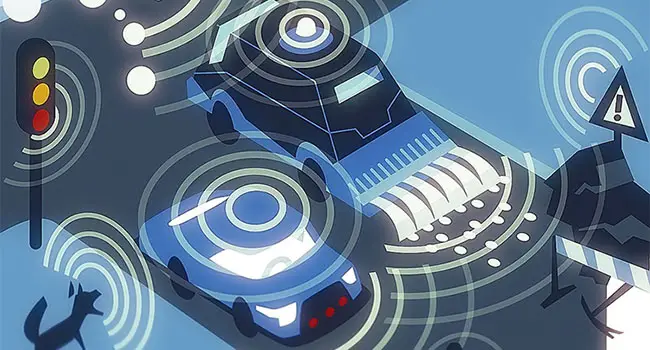
The future of communication is likely to see the integration of different technologies. For example, the use of 5G networks will enable faster and more reliable communication, which could be combined with virtual and augmented reality to create more immersive experiences. Furthermore, the use of IoT devices will enable us to communicate with different devices and machines, enabling us to automate and streamline many aspects of our lives.
As communication technology continues to advance, we can expect future communication to become more seamless, efficient, and personalized, bringing us closer than ever before.
Future Communication Articles and Web Sites
I search the internet daily for new articles from around the world that interest me or I think will interest you. My hope is that it saves you time or helps students with their assignments. Listed by most recent first, dating back to 2005.
-
Where’d my results go? Google Search’s chatbot is no longer opt-in from Ars Technica
-
Launching the future of secure communication from University of Waterloo
-
Tech allowing those with paralysis to communicate from UC Davis
-
'Body internet' may eliminate the need for smartphones from Nanowerk
-
The Future of Search Engines in a World of AI and LLMs from Techopedia
-
A new route to a quantum internet from Princeton University
-
Blockchain is a key technology – a computer scientist explains why the post-crypto-crash future is bright from The Conversation
-
The AI revolution is about to take over your web browser from The Verge
-
Google's Project Starline Is an Ambitious Cure to My Remote Worker Loneliness from Gizmodo
-
What exactly is the internet? A computer scientist explains what it is and how it came to be from The Conversation
-
What is WiFi 7 video
-
Nanoparticles perform ultralong distance communication from Northwestern
-
Researchers Managed to Transfer Twice the Global Internet Traffic in a Single Second from Gizmodo
-
The future of the web could be bright. But there's a lot to fix first from ZDNet
-
What is Web3? from BBC Science Focus
-
Bizarre Muzzle Microphone Keeps Your Mouth in the Metaverse from Gizmodo
-
Why Is Meta’s Metaverse Such a Misfire? from IEEE Spectrum
-
Starlink: Why is Elon Musk launching thousands of satellites? from BBC News
-
The one problem with mesh routers — read this before you buy from Tom's Guide