Future of Electronics
The future is unfolding all around us. Over the next decade we will see a slew of new products that we can hardly imagine today.
The world of electronics has come a long way in the last few decades, and it's not showing any signs of slowing down. With advances in technology happening faster than ever, the future of electronics is an exciting and rapidly evolving field.
One of the biggest trends in the future of electronics is the rise of smart devices. As the internet of things (IoT) continues to expand, we are seeing more and more devices that can connect to the internet and communicate with each other. This means that everything from your refrigerator to your car could be connected and controlled through your smartphone.
Another trend that is gaining momentum is the development of wearable technology. With the rise of fitness trackers and smartwatches, we are already seeing the benefits of wearable technology. In the future, we can expect even more advanced devices that can monitor our health and wellness, provide real-time feedback, and even detect and diagnose medical conditions.
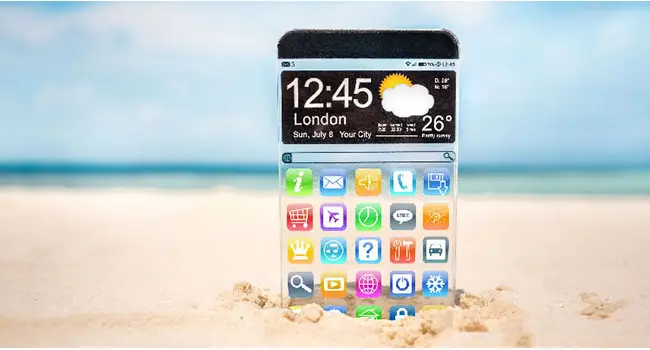
In terms of form factor, we can expect to see more flexible and foldable displays, making it possible to create devices with more unique and creative designs. We may even see the development of fully transparent displays, allowing us to interact with digital content in new and exciting ways.
The future of electronics is a fascinating and rapidly evolving field. From smart devices to wearables, there are many exciting trends that will shape the future of technology. While we can't predict exactly what the future holds, we can be sure that it will be an exciting time to witness the new world of electronics.
Disclaimer: The information and links found on this site are for educational purposes only. FutureForAll.org makes no endorsement, expressed or implied, of any links to or from its site.
Future Electronics and Gadgets Articles and Web Sites
I search the internet daily for new articles from around the world that interest me or I think will interest you. My hope is that it saves you time or helps students with their assignments. Listed by most recent first, dating back to 2005.
-
Cerebras Unveils Its Next Waferscale AI Chip from IEEE Spectrum
-
What Is a GPU? The Chips Powering the AI Boom, and Why They’re Worth Trillions from Singularity Hub
-
DVD’s New Cousin Can Store More Than a Petabit from IEEE Spectrum
-
DVD’s New Cousin Can Store More Than a Petabit from IEEE Spectrum
-
Scientists Discover Groundbreaking Superconductor With On-Off Switches from SciTechDaily
-
AI-Powered Microdisplay Adapts to Users’ Eyesight from IEEE Spectrum
-
What are Thunderbolt 3 and Thunderbolt 4? Features, speeds and future of USB-C port technology from PocketLint
-
Handheld gaming is the future — again from The Verge
-
Lithium-ion battery fires are a growing public safety concern − here’s how to reduce the risk from The Conversation
-
5 Big Ideas for High-Temperature Superconductors from IEEE Spectrum
-
What is USB-C? A computer engineer explains the one device connector to rule them all from The Conversation
-
A foldable concept phone designed to look like a handbag from Dezeen
-
These smart glasses are out to replace all other fitness trackers from New Atlas
-
Lenovo Is Working on Its Own Steam Deck Competitor from Gizmodo
-
New Jell-O-like printable electrodes could one day replace metals as electric interfaces from ZME Science
-
This palm-sized PC might contain the future of gadget cooling from The Verge
-
Turning Your Smartphone into a Quantum Sensor: The Power of OLEDs from SciTechDaily
-
With Amazon Alexa’s future in peril, Fire TVs offer a glimmer of hope from Ars Technica
-
Room-temperature superconductors could revolutionize electronics – an electrical engineer explains the materials’ potential from The Conversation
-
Apple's Clean Energy Charging is the future of electronics from Computer World
-
Acoustic holograms quickly assemble objects from particles or cells from New Atlas
-
See Samsung's Futuristic Screen Fold, Slide and Shape-Shift from CNET
-
Your next Apple Pencil might sense colours and textures from Pocket-Lint
-
Color holographic video display from Nanowerk
-
What if we could make electronics from mushrooms? from Mashable
-
LG’s new thin and stretchable displays could be used to wrap skin, cars, and furniture from Digital Trends
-
Get ready: the first 8K ultrawide monitors are coming out in 2023 from Digital Trends
-
3D-Stacked CMOS Takes Moore’s Law to New Heights from IEEE Spectrum
-
Engineers build LEGO-like artificial intelligence chip from MIT News
-
New Microchip Based on Biomolecules is No Alien Technology from PROTO.LIFE
-
Discovery of 'impossible' superconductor promises 100x faster electronics from Freethink
-
This one-way superconductor could be a step toward eternal electricity from Popular Science
-
An accidental discovery could change the world - lithium sulfur battery from Freethink
-
There Are a Lot of Sensors in Your Phone, Here’s What They Do from How To Geek
-
Singularity Hub posted Drones as Big as 747s Will Fly Cargo Around the World With Low Emissions, Startup Says
-
The Current posted The Search For Exotic Superconductors
-
This Flat Lens Technology Could Eliminate Phone Screen Notches and Rear Camera Bumps from Gizmodo
-
Xiaomi Loop LiquidCool Technology for smartphones video
-
The First Gadgets With True Wireless Charging Are Here from Gizmodo
-
Predictions for the future of smartphones from The Verge