Lie Detection Technology
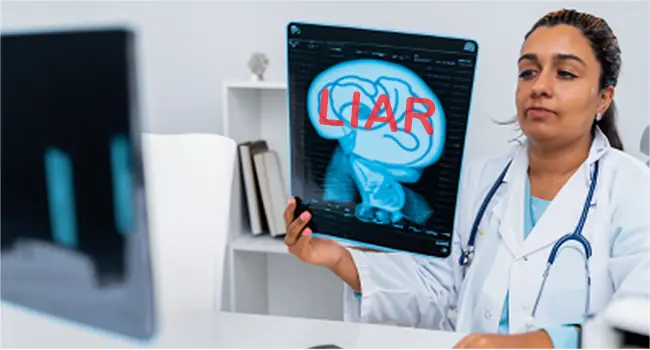
Powerful lie detection tools may someday surpass the accuracy of the polygraph and permanently change how suspects are convicted -- and freed.
Imagine, a suspect is read words related to a crime while their brain is being scanned. A computer analyzes the data and informs the examiner if the suspect's memory holds information about the crime that only the perpetrator could know. The suspect would not even have to speak, for the examiner to know if the subject has exclusive knowledge of the crime. The guilty could be clearly identified and the innocent would be set free.
It's not science fiction. The technology and knowledge to scan your brain for the truth is already here and it is improving rapidly. Today, using current technology, a government can know with 90% accuracy if the person they are holding in custody is a spy. And it is available to the public. Finding out what happened in Vegas is now as easy as getting your spouse to lie down on an examination bed. (hint: tell them it's a massage table.)
I hope that when this technology arrives, it is offered as a choice, like our current lie detection methods, for the accused to be cleared of a crime--and the results are never revealed to a jury.
How will brain scan technology change society and our legal systems? Clearly, public debate concerning the proper use of lie detection technologies is needed to raise concerns about their premature and inappropriate use.
Brain Lie Detection Articles and Web Sites
I search the internet daily for new articles from around the world that interest me or I think will interest you. My hope is that it saves you time or helps students with their assignments. Listed by most recent first, dating back to 2005.
-
How to actually catch a liar, according to the new science of lie detection from BBC Science Focus
-
The fusion of fMRI and polygraph tech from KevinMD.com
-
A new approach to lie detection: The devil is in the details from Phys.org
-
8 tell-tale signs someone is lying to you, according to deception detection experts from Insider
-
Truthsayer Uses Facial Recognition To See If You’re Telling The Truth from Hackaday
-
New technology uses your eyes to see if you're lying from KATV
-
Is that a lie? New scientific method for detecting the truth from Digital Journal
-
Next-gen lie detection from Utah Business
-
BBC News posted True story? Lie detection systems go high-tech
-
The Birmingham Times posted You Sticking With That Story? New Electrode Stickers Can Tell When You’re Lying
-
Brain imaging lie detector: Researchers discover two techniques to beat this test - CTV
-
Here's how an AI lie detector can tell when you're fibbing - Popular Science
-
Can you fool an AI border guard? - Youtube (2:35)
-
Can Cameras and Machines Recognize Lying in Your Face? - VOA - 11/17
-
Eye-Tracking and A.I. The Future Of Lie Detection? - Android Headlines - 10/17
-
Beyond Bananas: CMU Scientists Harness “Mind Reading” Technology to Decode Complex Thoughts - CMU - 06/17
-
Big brother mind reading is inevitable and controls need to be put in place now, experts warn - Daily Mail - 02/17
-
Researchers unveil lie-detecting robot kiosks - Daily Mail - 01/17
-
MRI scans better than polygraph for lie detection - Philadelphia Media Network - 11/16
-
How lying takes our brains down a slippery slope - Phys.Org - 10/16
-
New study describes method to detect dishonesty online - TechXplore - 10/16
-
Could brain fingerprinting solve Australia's cold cases? - 9news.com.au - 09/16
-
How to Catch a Lie? Try Group Questioning - Insurance Journal - 08/16
-
Beware, poker face: Automatic system spots micro-expressions - Tech Xplore - 11/15
-
Future MRI Scans And Other Brain Images May Predict Report Card Grades, Criminal Behavior - Medical Daily - 01/15
-
Predicting repeat offenders with brain scans: You be the judge - Medical Xpress - 03/13
-
Law and order: Blame it on the brain - BBC Future - 07/12
-
Zapping the brain with magnets makes it impossible to lie - Daily Mail - 09/11
-
Study says fMRI scans know more about us than we do - NSF - 01/11
-
Brain scans could be used to 'prove' whether a child is mature enough to be tried for a crime - Daily Mail - 09/10
-
Will Brain-Scanning Lie Detectors Free the Innocent or Jail Them? - PopSci - 02/10
-
The future of lying - BBC News - 09/08
-
How to beat a fMRI lie detector - Greg Detre