Nanotechnology Risks
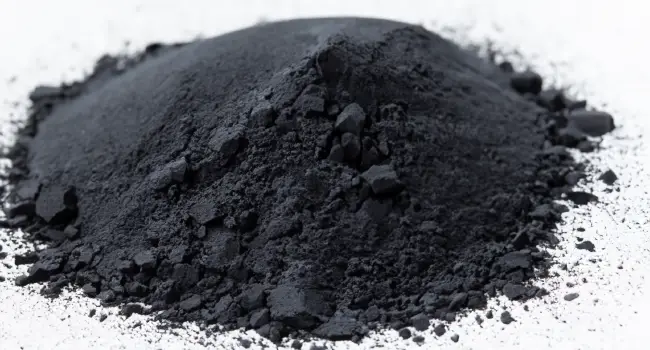
Ready or not, here it comes. In the next 20 years, nanotechnology will touch the life of nearly every person on the planet. The potential benefits are mind boggling and brain enhancing. But like many of the great advancements in earth's history, it is not without risk. Here are some of the risks posed to society by nanotechnology.
Environmental Risks
Nanoparticles are very small and can easily enter the environment, including air, water, and soil. Once released, they can potentially have harmful effects on the environment and living organisms. For example, nanoparticles may accumulate in the soil, affecting plant growth, and in aquatic environments, they can accumulate in the tissues of fish and other aquatic animals, potentially affecting their health. Additionally, nanoparticles may also affect the balance of ecosystems by disrupting natural processes.
To mitigate these risks, scientists are studying the potential environmental impacts of nanoparticles and developing methods to prevent their release into the environment. This includes the development of effective waste disposal and recycling methods.
Health Risks
The small size of nanoparticles allows them to penetrate biological barriers, such as cell membranes and the blood-brain barrier, potentially causing harm to living organisms. For example, some nanoparticles have been shown to cause inflammation and damage to the lungs when inhaled. There is also concern that nanoparticles may accumulate in the body and cause long-term health effects.
To address these risks, researchers are studying the potential health effects of nanoparticles and developing methods to prevent exposure. This includes developing safe manufacturing practices, protective equipment for workers, and regulations for the use of nanoparticles in consumer products.
Societal Risks
The development and use of nanotechnology may also have societal risks, such as economic inequality and job displacement. The high cost of research and development may make it difficult for small businesses and developing countries to compete with larger, more established companies. Additionally, the widespread adoption of nanotechnology may also result in job displacement as new technologies replace older ones.
Nanotechnology offers exciting potential benefits, but it is important to also consider the potential risks associated with its use. By studying and addressing these risks, we can work to ensure that nanotechnology is developed and used in a safe and responsible manner that benefits society as a whole.
Nanotechnology Risk Articles, Videos, and Web Sites
-
I search the internet daily for new articles from around the world that interest me or I think will interest you. My hope is that it saves you time or helps students with their assignments. Listed by most recent first. Hit NEXT button for more articles
-
First human trial shows ‘wonder’ material can be developed safely from The University of Manchester
-
A game shows the impact of blind trust in nanotechnology from The Clarion
-
New research may make future design of nanotechnology safer with fewer side effects from Science Daily
-
Multi-organ chip detects dangerous nanoparticles from Nanowerk
-
Study Could Help Reduce Environmental Risk of Quantum Dots from AZoNano
-
New research in mice investigates the safety of DNA nanotechnology from News-Medical.Net
-
Learning to understand how nanomaterials enter cells and how cells react from Nanowerk
-
Treehugger posted How Does Nanotechnology Impact the Environment?
-
Machine learning can now reduce worry about nanoparticles in food from Science Daily
-
Cherwell posted Nanotechnology – Opportunity or Risk?
-
Like Asbestos, Do Carbon Nanotubes Have Potential Health Risks? from Newswise
-
The Not-So Silver-Lining of Nanoparticles for Phytoplankton article from Technology Networks is about nanosilver and its affect on algae
-
EurekAlert posted - Our health: New focus on the synergy effect of nanoparticles - which examines how cells react when exposed to more than one kind of nano particle at the same time
-
Investigating the environmental impact of nanoparticles at the molecular level - nanowerk.com
-
Researchers Explore the Biological Effects of Nanomaterials - azonano.com
-
More efficient risk assessment for nanomaterials - nanowerk.com
-
Research Brief: Nanoparticles may have bigger impact on the environment than previously thought - umn.edu
-
Nanoparticles pose major threat to our environment, scientists warn - environmentjournal.online
-
Nanoparticles may promote cancer metastasis - National University of Singapore
-
Nanomaterials are changing the world – but we still don’t have adequate safety tests for them - The Conversation
-
Nanotechnology in sunscreen unlikely to be toxic: Australian study - SMH
-
What does graphene do in our lungs? - Nanowerk
-
Nanoparticles and our health - Youtube (2:04)
-
Working with nanotechnology - Safety and Health Magazine
-
Nanomaterials: Is there such a thing as nano-risk? - Open Access Government
-
Nanomaterial exposure, toxicity, and impact on human health - Wiley online Library
-
Assessing the risks of nanomaterials in construction - Planning and Building Control Today - 02/18
-
How harmful are nano-copper and anti-fungal combinations in the waterways? - Phys.org - 10/17
-
New York Household Cleansing Product Information Disclosure Program Could Target Nanomaterials - Nanotechnology Now - 10/17
-
Researchers test the capability of a novel nanoparticle to remove cadmium toxicity from a freshwater system - UCSB - 10/17
-
Nanomaterial risk profiling puts safety first - Phys.org - 10/17
-
Nanotechnology innovation safety aspects - the case of graphene - Nanowerk - 10/17
-
Model to Calculate Concentrations of Nanoparticles in the Environment - Nanotechnology Now - 09/17
-
How to detect biological contamination of nanoparticles - Nanowerk - 07/17
-
‘Nano Foods’: There’s No Proof Some Of The Tiny Things You’re Eating Are Safe - New Matilda - 07/17
-
Nanoparticles: What is their fate and how do they change? - EurekAlert! - 06/17
-
Tiny particles have big hazard potential - Canadian Occupational Safety - 06/17
-
Court Revokes Federal Approval of Nanotech Pesticide - Beyond Pesticides - 06/17
-
Research projects provide better understanding on opportunities and risks of nanomaterials - AZO Network - 04/17
-
Nanotechnology is here. Let’s be careful with it - Gulf News - 01/17
-
Nanoparticle exposure can awaken dormant viruses in the lungs - Nanotechnology Now - 01/17
-
Commentary: Is nanotechnology the new asbestos? - My Statesman - 12/16
-
Carbon Nanotubes Found in Human Lungs For the First Time - Gizmodo - 10/15
-
Nanotechnology and Environmental Concerns - Nanotechnology Now - 01/15
-
Some nanoparticles commonly added to consumer products can significantly damage DNA - Phys.org - 04/14
-
Nanotechnology In Medicine: Huge Potential, But What Are The Risks? - MNT - 05/12
-
Nanoparticles in food, vitamins could harm human health - Cornell University - 03/12
-
Risks and Benefits of Nanotechnology - AtoZ Nano - 11/09
-
Health Risks Of Nanotechnology: How Nanoparticles Can Cause Lung Damage, And How The Damage Can Be Blocked - Science Daily - 06/09
-
Nanotech: The Unknown Risks - Yale - 06/08
-
Environmental impact of silver nanoparticles - University of Missouri-Columbia - 04/08
-
As nanotech goes mainstream, 'toxic socks' raise concerns - Phys.Org - 04/08
-
Manufactured buckyballs don't harm microbes that clean the environment - Nanowerk - 04/08
-
First Direct Images of Carbon Nanotubes Entering Cells - Phys.Org - 11/07
-
Nanotechnology risks - where are we today? - Nanowerk - 09/07
-
Scientists advance safety of nanotechnology - Phys.Org - 04/07
-
How Nanotechnology Works - How Stuff Works - 03/07
-
Scientists Worry About Potential Risks of Nanotechnology in Food - LiveScience - 09/06
-
Nanoparticles can damage DNA, increase cancer risk - Phys.Org - 04/06
-
Nanoparticles may pose threat to liver cells - Phys.Org - 04/06
-
Probing the promise and perils of nanoparticles - Phys.Org - 03/05
-
Nanotechnology: assessing the risks (pdf) - Project on Emerging Nanotechnologies - 02/04
-
Nanotechnology Risk Web Sites
-
Ethical Issues in Nanotechnology - Ethicsweb
-
IRGC - International Risk Governance Council
-
Nano Diode - Supporting the effective governance of nanotechnologies in Europe
-
NanoSafety Cluster - EU initiative addressing the safety of materials and technologies enabled by the use of nanoparticles
-
Nanotechnology - CDC
-
Project on Emerging Nanotechnologies - Helping ensure nanotechnologies risks are minimized
-
Safety of Nanotechnology - National Cancer Institute